
Gunalight
gives your body a form of energy it has never received before.
Patented light energy your body cannot obtain from food, sleep, exercise, dietary supplements, ordinary light, lasers, or red light therapy.
No reported side effects. Remarkable user experiences.
Gunalight is The Solution You Never Knew Existed -
and the signal your body has been waiting for.
Gunalight is a patented invention that generates a unique form of energy unlike anything the world has seen before.
A new form of light energy - created to work with the body, not against it.
Many people have already tried the familiar approaches—more treatments, more products, and more explanations. Yet they are still left with low energy, poor sleep, restlessness, stiffness, discomfort, slow recovery, or a body that simply does not feel right.
Gunalight offers your body something new. And when the body receives a new signal, it's reasonable to think it may respond in a new way.
Your Body Was Designed to Respond to Light
The technology behind Gunalight has been physically measured by NTNU, tested on cells, and used by people since 2016. But first and foremost, this is not about technology. It is about your body.
Light already influences your body's rhythm, sleep, energy, skin, hormones, nervous system, and cells. This is nothing unfamiliar to your body—it is fundamental biology.
For Those Who Feel Their Body Needs More
Many people live for years with a body that doesn't function the way they want it to. They sleep but never wake up feeling truly rested. They exercise but recover poorly. They live with a stiff neck, aching shoulders, a heavy body, restlessness, discomfort, slow recovery, or low energy. Over time, this almost becomes normal.
People explain it away as age, stress, work, physical strain, or simply "that's just how life is." But your body was never designed merely to get through each day. It was designed for energy, movement, calm, recovery, and balance.
Gunalight is simple to use, takes only a few minutes, and is designed to become part of your daily routine at home. You don't need to understand all the technology before you begin. You don't need to wait until your body demands more. You simply need to give your body a signal it is naturally designed to respond to.
What People Have Experienced Over Time
Over several years of real-world use, we have received reports from people with very different backgrounds and experiences. The breadth of these experiences is what makes Gunalight impossible to ignore.
Users have reported increased energy, a greater sense of calm, improved sleep quality, reduced stiffness, better mobility, faster recovery, and a body that simply feels lighter.
We have also received reports from people facing more complex and long-term challenges, including experiences following stroke recovery, severe sleep difficulties, rheumatic conditions, chronic pain, eye-related issues, frozen shoulder, neck stiffness, cervical disc problems, shoulder discomfort, back pain, muscle tension, reduced mobility, low energy, stress-related strain, physical restlessness, and poor recovery.
This is not just one isolated success story. It is a consistent pattern of people of different ages, with different challenges, lifestyles, and physical conditions, who over time have described noticeable differences while using Gunalight.
These are not medical promises that everyone will experience the same results or respond within the same timeframe. Every person is different, and every body responds at its own pace. However, when people over many years consistently report positive experiences across such a wide range of areas, it points toward something meaningful: Gunalight provides the body with a signal that appears to matter.
The Science Behind Gunalight – Photobioinformation
Our findings have led to a new scientific framework for understanding how Gunalight interacts with biology. We call it Photobioinformation – PBI.
Photobioinformation describes how biological systems respond not only to the energy carried by light, but also to information contained in the structure of the optical signal.
Gunalight is the first practical application of this principle.
Why Gunalight is Different
Gunalight does not ask you to stop doing anything you are already doing. It does not ask you to reject your doctor, medical treatment, or common sense. Instead, it gives you a new tool that you can use in the comfort of your own home.
The technology is patented, has been physically measured, and has been in practical use since 2016. That gives you every reason to experience it for yourself—not just evaluate it intellectually.
Safe to Use
The light emitted by Gunalight has been physically measured by NTNU. The technology has also been tested on cells. In these tests, we observed an interesting energy response without signs of negative cellular stress.
Since 2016, Gunalight has been used by people in Norway, the United States, and many other countries. Throughout this history of use, we have not observed any reported side effects.
For you, this means Gunalight is not only an exciting innovation—it also has a reassuring safety profile that supports its use as part of your daily routine.
Used by Professional Practitioners
Gunalight is not only used by individuals at home. The technology is also used by professional practitioners, including acupuncturists, body therapists, and other healthcare and wellness professionals in clinical practice.
When professionals who work with people every day choose to continue using a new technology, it is because they believe it provides value. Experts in the United States have described their experiences using phrases such as "Speed of Light," "Unbelievable," and "Too Good to Be True" when discussing the results they have observed.
For you, this reinforces an important point: Gunalight is not just an idea. It is a technology that people have tested, used, and continued to use in real-life practice.
Don't Just Read About it. Experience it.
Gunalight was not created to be fully understood by reading a webpage. It was created to be experienced by the body.
You can read about the measurements, patents, cell studies, user experiences, and expert opinions. Those things help build confidence. But your body does not receive the signal by reading about Gunalight—it receives the signal when you use it.
Use it Consistently
Gunalight should not be judged after a single use. The body is living, dynamic, and different from one day to the next. Some people notice changes quickly. Others need more time.
That is why we recommend making Gunalight part of your daily routine, ideally with guidance from the companion app.
Your body does not change by pressing a button. Light is a signal your body uses every day. That is why consistency is the key to getting the most from Gunalight.
What is it Worth?
The price is NOK 7,900.
That is a significant investment. But so is living week after week with low energy, poor sleep, slow recovery, physical restlessness, discomfort, stiffness, or a body that simply doesn't feel the way you want it to.
Gunalight is not a single treatment session. It is a technology you own and keep at home. A technology you can use again and again, without appointments, waiting lists, or ongoing treatment costs.
When Gunalight becomes part of your daily routine and your body begins to function better, the investment is no longer just about purchasing a product. It becomes an investment in energy, sleep, calm, recovery, movement, and quality of life.
That is what you are investing in.
The Simple Choice
You can continue reading, wait a little longer, and think, "This is interesting," before moving on.
But your body gains nothing by waiting.
Give your body a new signal.
Still Not Convinced?
International Experts

Conclusion
Without light, there is no life.

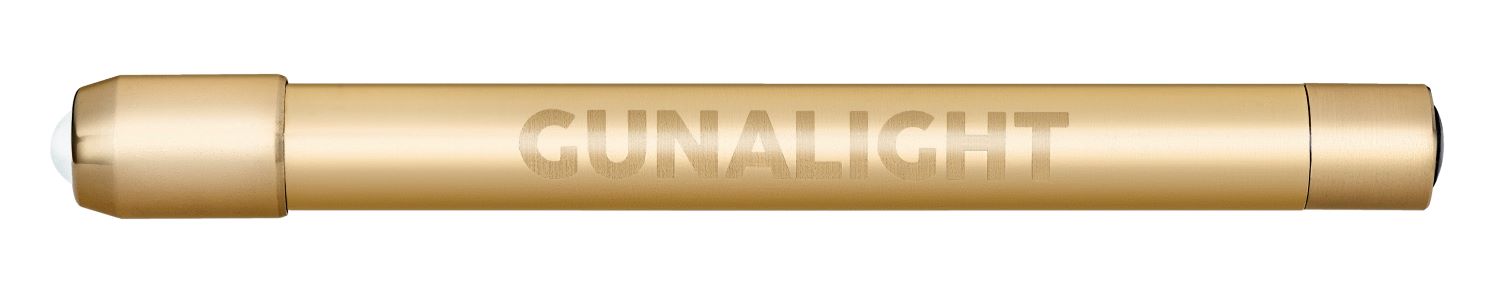
One Original – Protected by Patent
Gunalight is a 100% proprietary invention, developed entirely in-house and protected by patent. This means the technology is legally protected and cannot be copied.
There is only one original Gunalight.


